

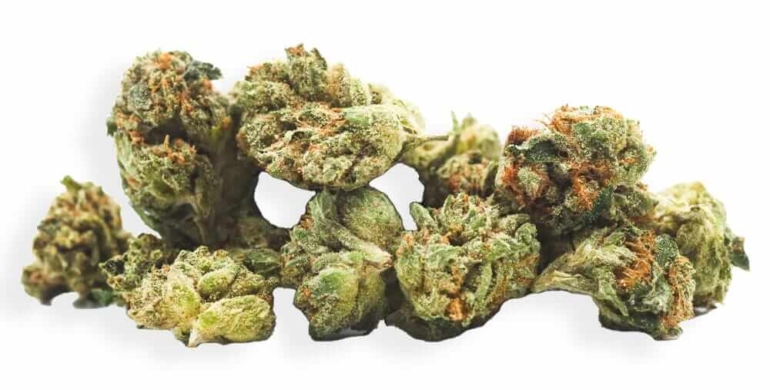
Exploring the World of HHC Buds: A New Frontier in Cannabis Culture
In the ever-evolving landscape of cannabis, a new player has emerged, capturing the attention of enthusiasts and researchers alike: hexahydrocannabinol, or HHC buds. These hemp-derived flowers, infused with a semi-synthetic cannabinoid, offer a unique experience that sits at the intersection of science, legality, and culture. Unlike traditional THC-rich cannabis, HHC buds provide a milder, yet distinctly psychoactive high, making them a compelling alternative in today’s market. Discovered in the 1940s but only recently popularized, HHC is shaking up the industry with its intriguing properties and legal ambiguities. Let’s dive into the facts, figures, and fascinating details behind HHC buds, exploring why they’re becoming a sensation.
The Science Behind HHC Buds
Hexahydrocannabinol is a phytocannabinoid found in trace amounts in Cannabis sativa, particularly in its seeds and pollen. However, the HHC in buds is typically synthesized through a process called hydrogenation, where hydrogen atoms are added to THC or CBD molecules, altering their structure. This was first achieved by chemist Roger Adams in 1944, who transformed delta-9 THC into HHC, creating a more stable compound with a longer shelf life. Unlike THC, which has a double carbon bond in its cyclohexyl ring, HHC replaces this bond with hydrogen, resulting in a molecule that resists UV light and heat degradation. Commercially, HHC buds are created by infusing hemp flowers—containing less than 0.3% THC—with synthetic HHC, producing a product that mimics cannabis but skirts certain legal restrictions.
HHC exists in two diastereomers, 9R-HHC and 9S-HHC, which differ in the orientation of their 9-methyl group. Research shows 9R-HHC binds to CB1 receptors in the brain with a potency similar to delta-9 THC (15 nM at CB1), while 9S-HHC is less effective (176 nM at CB1). This mix of active and inactive molecules in commercial HHC buds leads to a high that users describe as euphoric yet less intense than traditional marijuana, often compared to delta-8 THC. A 2023 study noted that HHC’s psychoactive effects vary due to inconsistent isomer ratios in products, ranging from 0.2:1 to 2.4:1, highlighting the need for standardized production.
The Effects and User Experience
HHC buds deliver a psychoactive experience that’s milder than delta-9 THC but stronger than delta-8, offering a sweet spot for users seeking relaxation without overwhelming intensity. Anecdotal reports suggest HHC induces euphoria, heightened sensory perception, and mild mood elevation, with effects lasting 2–4 hours depending on dosage and consumption method. A 2025 study involving six participants found that 25 mg of HHC in edibles or three puffs from an HHC vape produced a subjective “high” rating of 4–7 on a 0–10 scale, with peak effects at 1–2 hours post-consumption. Common side effects mirror those of THC, including dry mouth, dizziness, and, in higher doses, anxiety or increased heart rate.
Unlike THC, HHC may not metabolize into 11-hydroxy-THC, the compound drug tests often detect, though this remains unconfirmed. Users report HHC buds as versatile, suitable for vaping, smoking, or crafting edibles. The buds themselves resemble traditional cannabis flowers, with a sticky, resinous texture and earthy, citrusy aromas. Products like HHC-infused hemp flowers are marketed as collector’s items in Europe, where consumption laws are strict, but their popularity stems from recreational use. With dosages ranging from 5–30 mg per use, beginners are advised to start low to gauge tolerance.
Legal Landscape and Market Growth
The legal status of HHC buds is a gray area, fueling their rapid rise. In the U.S., the 2018 Farm Bill legalized hemp-derived products with less than 0.3% THC, creating a loophole for HHC since it’s not explicitly THC. However, some states have banned HHC due to its psychoactive nature, and federal regulation looms. In Europe, HHC is legal in many countries when sold as vape liquids or non-consumable flowers, but nations like France and Slovakia have restricted derivatives like HHC-P. This patchwork of laws has driven a booming gray market, with HHC products available in headshops, online, and even convenience stores since the early 2020s.
The HHC market is growing fast. In 2021, HHC-P, a potent derivative, was identified in U.S. cannabis products, signaling the cannabinoid’s diversification. Sales data is scarce, but industry insiders note HHC’s appeal in states where delta-8 is banned, with retailers like Bearly Legal reporting HHC as their fastest-growing product. A single HHC vape cartridge, containing 900 mg of HHC, can cost $30–$60, while HHC buds retail at $10–$20 per gram. The market’s expansion is driven by curiosity and accessibility, though lack of regulation raises concerns about product consistency and safety.
Potential Benefits and Risks
Research on HHC buds is limited, but early studies suggest therapeutic potential. A 1980s Pfizer study found HHC has analgesic properties in animal models, hinting at pain relief capabilities. Other research explores HHC’s interaction with cancer cells, though human trials are absent. Anecdotally, users report HHC buds help with stress, mild pain, and sleep issues, but these claims lack peer-reviewed backing. The endocannabinoid system, which HHC targets via CB1 and CB2 receptors, regulates mood, appetite, and sleep, suggesting possible benefits if studied further.
Risks are equally uncertain. The hydrogenation process can leave trace heavy metals like platinum in products, posing long-term health concerns. A 2023 analysis of 60 HHC products found variable isomer ratios, indicating inconsistent potency and quality. High doses may trigger anxiety or paranoia, and vaping HHC buds carries unknown respiratory risks, as seen with other cannabinoids. The lack of FDA approval and standardized testing means consumers must rely on third-party lab reports, which aren’t always reliable. Experts urge caution, especially for those subject to drug testing, as HHC’s detectability remains unclear.
The Future of HHC Buds
HHC buds represent a fascinating chapter in cannabis innovation, blending science with cultural curiosity. Their rise reflects a demand for legal, accessible alternatives to traditional marijuana, but their future hinges on research and regulation. As studies like the 2025 pharmacokinetic investigation deepen our understanding, HHC could carve a niche in both recreational and medicinal markets. However, without standardized production and clear legal frameworks, the industry risks consumer mistrust and safety issues. For now, HHC buds offer a glimpse into the dynamic, sometimes murky world of modern cannabis, inviting users to explore with caution and intrigue. Visit our website https://www.dsquaredworldwide.com/blogs/news/hhc-buds-the-new-frontier-in-cannabinoids-and-how-white-labeling-can-put-your-brand-on-the-map to Buy HHC Buds at Affordable Price.


