

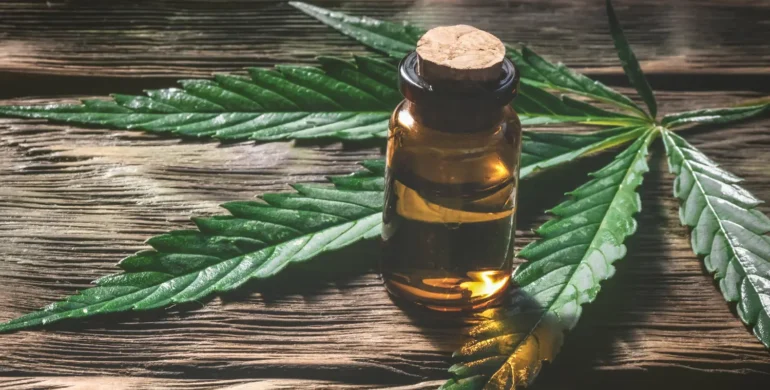
Nano CBD: The Tiny Revolution in Cannabidiol Delivery
Cannabidiol, or CBD, has surged in popularity for its potential to alleviate pain, anxiety, and epilepsy symptoms without the psychoactive high of THC. However, its effectiveness is often hampered by poor bioavailability—only about 6-18% of ingested CBD reaches the bloodstream due to its insolubility in water and degradation in the stomach’s acidic environment. Enter nano CBD, a groundbreaking innovation that shrinks CBD particles to the nanoscale, promising faster absorption, higher efficacy, and versatile applications. This blog dives into the science, benefits, and future of nano CBD, exploring how nanotechnology is reshaping the CBD landscape.
The Science of Shrinking CBD
Nanotechnology manipulates materials at the scale of 1 to 100 nanometers, where one nanometer is a billionth of a meter. In the context of CBD, this means breaking down CBD molecules into tiny nanoparticles, often 15-60 nanometers in size, compared to the 300 nanometers of traditional CBD molecules. This size reduction, achieved through processes like nanoemulsion or ultrasonic cavitation, allows CBD to dissolve more readily in water-based environments like the human body, which is roughly 60% water. Studies suggest nano CBD can achieve up to 90% bioavailability, meaning nearly all of the ingested dose reaches the bloodstream, compared to the meager absorption rates of standard CBD oils. This is because nanoparticles have a larger surface area, enabling better interaction with bodily tissues and faster onset of effects, sometimes within minutes rather than hours.
Why Bioavailability Matters
Bioavailability is the cornerstone of CBD’s therapeutic potential. Traditional CBD products, like oils or edibles, lose much of their potency during digestion. The liver’s first-pass metabolism further reduces the amount of active CBD that reaches systemic circulation. Nano CBD sidesteps these barriers. By forming water-soluble nanoemulsions, it can bypass the digestive system’s harsh environment and absorb directly through mucous membranes or skin. For instance, a 2020 study found that nano CBD formulations increased peak blood concentrations (Cmax) and reduced the time to peak effect (Tmax) compared to standard CBD oils. This means users may feel relief from pain or anxiety faster, with smaller doses. For medical users, such as those with epilepsy, this could translate to more consistent symptom management with less product, reducing costs and potential side effects.
Applications Beyond the Dropper
Nano CBD’s versatility is one of its most exciting features. Unlike traditional CBD, which is often limited to oils, tinctures, or edibles, nano CBD can be incorporated into a wide range of products. Beverages like CBD-infused water, seltzers, and juices are gaining traction, as nano CBD’s water solubility ensures even distribution and a neutral taste. Topical products, such as creams and balms, benefit from nano CBD’s ability to penetrate deeper skin layers, potentially offering localized relief for conditions like arthritis. Inhalation methods, like vaping nano CBD, deliver rapid effects due to direct lung absorption, though long-term safety remains understudied. Even edibles, like gummies, can leverage nano CBD for faster onset, with brands like Kanha reporting effects in as little as 15-30 minutes compared to the hour-long wait for traditional edibles. This diversity makes nano CBD appealing to both recreational and medical users.
The Therapeutic Promise
Nano CBD’s enhanced bioavailability opens doors to more effective therapeutic applications. The FDA-approved CBD drug Epidiolex, used for rare epilepsy syndromes like Dravet and Lennox-Gastaut, highlights CBD’s medical potential, but its high doses (10-20 mg/kg daily) can cause side effects like liver toxicity or drowsiness. Nano CBD could reduce these risks by delivering equivalent effects with lower doses. Preclinical studies suggest nano CBD may improve outcomes in conditions like chronic pain, anxiety, and neurodegenerative diseases. For example, a 2022 study on CBD-loaded nanoliposomes showed sustained release and improved brain delivery in mice, hinting at potential for treating epilepsy or dementia. Additionally, nano CBD’s ability to target specific sites, such as inflamed joints or brain tissue, could revolutionize personalized medicine, though human trials are still needed to confirm these benefits.
Safety and Side Effects
While nano CBD holds promise, it’s not without concerns. The long-term effects of nanoparticle accumulation in the body are not fully understood. Some animal studies suggest that prolonged exposure to certain nanomaterials could harm aquatic organisms or accumulate in tissues, raising environmental and health questions. In humans, CBD itself can cause mild side effects like diarrhea, fatigue, or liver enzyme changes, particularly at high doses. Nano CBD’s increased potency may amplify these risks if not dosed carefully. The lack of FDA approval for nano CBD products underscores the need for more research. Consumers should start with low doses—often 5-10 mg—and consult healthcare providers, especially if taking medications like antiepileptics, which may interact with CBD. Quality control is also critical, as the unregulated CBD market often lacks standardized testing for nanoparticle size or purity.
The Regulatory Gray Area
Nano CBD exists in a regulatory limbo. While the 2018 U.S. Farm Bill legalized hemp-derived CBD with less than 0.3% THC, the FDA prohibits its use in foods, beverages, or dietary supplements sold across state lines. Nano CBD’s novel delivery system further complicates regulation, as nanotechnology in food and drugs faces scrutiny for potential toxicity. In Europe, nano CBD is not explicitly legal, and products must comply with strict THC limits (0.2%) and be marketed for topical use only. Manufacturers navigate these gaps, but the lack of clear guidelines leaves consumers vulnerable to mislabeled or substandard products. Reputable brands, like Nano Hemp Tech Labs, emphasize third-party testing and good manufacturing practices (GMPs) to ensure safety and transparency, but industry-wide standards are still evolving.
The Future of Nano CBD
The nano CBD market is poised for growth, with projections estimating the global CBD market could reach $47 billion by 2028, driven partly by nanotechnology innovations. Researchers are exploring advanced nanocarriers, like lipid-based nanoparticles or polymeric micelles, to further enhance CBD’s stability and targeted delivery. For instance, chitosan-based nanocarriers have shown promise in improving CBD’s skin absorption for topical applications. Beyond human health, nano CBD is gaining traction in pet products, with 83% of pet owners in a 2020 survey reporting better efficacy than traditional medications for anxiety or pain. However, challenges remain, including scaling production without compromising quality and conducting rigorous clinical trials to validate claims. As public interest grows, so does the need for education to counter misinformation spread on social media about CBD’s benefits.
A Tiny Step Toward Big Change
Nano CBD represents a fusion of ancient herbal medicine and cutting-edge science. By shrinking CBD particles to the nanoscale, this technology unlocks faster, more efficient absorption, expanding its potential for medical and wellness applications. From beverages to topicals, nano CBD offers versatility that traditional CBD cannot match. Yet, its promise comes with caveats—unresolved safety questions, regulatory hurdles, and the need for more research. As the industry evolves, consumers must prioritize quality, start with low doses, and stay informed. Nano CBD may be small, but its impact could be monumental, paving the way for a new era of cannabinoid therapies. Visit our website https://nanohemptechlabs.com/ to Buy Nano CBD at Affordable Price.


