

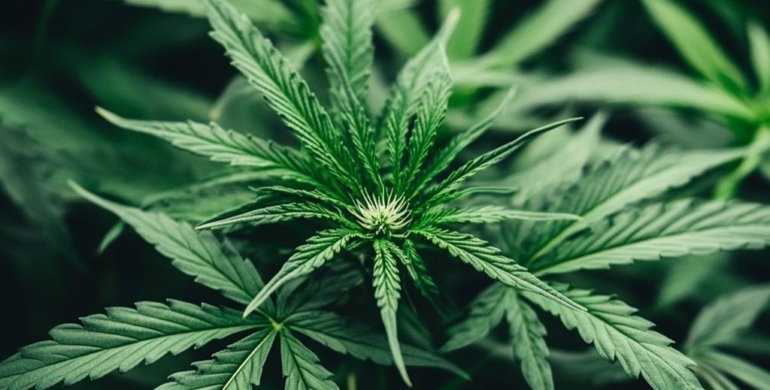
Unraveling Delta 9 THC: The Heart of Cannabis
Delta 9-tetrahydrocannabinol, commonly known as Delta 9 THC, is the primary psychoactive compound in cannabis, responsible for the plant’s signature “high.” Found in both indica and sativa strains, this cannabinoid interacts with the body’s endocannabinoid system, producing effects ranging from euphoria to relaxation. But how do indica and sativa strains differ when it comes to Delta 9 THC? Are the effects distinct, or is it all just cannabis folklore? In this 1000-word exploration, we’ll dive into the science, history, and real-world impacts of Delta 9 THC in indica and sativa strains, backed by facts and figures, to uncover what makes each unique.
The Chemistry of Delta 9 THC
Delta 9 THC is a chemical compound with the formula C21H30O2, discovered in 1964 by Dr. Raphael Mechoulam. It binds to CB1 receptors in the brain and nervous system, triggering a cascade of effects like altered perception, mood changes, and appetite stimulation. According to a 2018 study in Cannabis and Cannabinoid Research, Delta 9 THC concentrations in modern cannabis typically range from 10% to 30% in dried flower, with some high-potency strains reaching up to 35%. Both indica and sativa plants produce Delta 9 THC, but the concentration and accompanying compounds, like terpenes, shape their distinct profiles. Indica strains often have slightly lower THC levels (10-20%) compared to sativas (15-30%), though breeding techniques have blurred these lines. The entourage effect, where THC interacts with other cannabinoids and terpenes, further differentiates the experience between strains.
Indica: The Relaxation Powerhouse
Indica strains, often associated with a “body high,” are celebrated for their calming, sedative effects. Originating from regions like the Hindu Kush mountains, indicas are typically short, bushy plants with dense buds. A 2020 analysis in Frontiers in Pharmacology found that indica strains frequently contain higher levels of myrcene, a terpene linked to sedation, with concentrations up to 0.5% of dry weight. This terpene, combined with Delta 9 THC, amplifies the relaxing effects, making indicas a go-to for stress relief and insomnia. For example, strains like Granddaddy Purple or Northern Lights, with THC levels around 16-20%, are known to ease muscle tension and promote sleep. Data from a 2022 survey by Leafly showed that 62% of indica users reported better sleep quality, compared to 38% for sativas. However, high Delta 9 THC doses in indicas can sometimes lead to couch-lock, a state of heavy sedation, which affects about 15% of users according to user-reported data on platforms like Reddit.
Sativa: The Uplifting Energizer
Sativa strains, native to equatorial regions like Central America and Southeast Asia, are tall, lanky plants with longer flowering cycles. They’re often linked to a “head high,” sparking creativity and focus. A 2019 study in Journal of Cannabis Research noted that sativas tend to have higher levels of limonene and pinene, terpenes associated with mood elevation and alertness, with limonene levels reaching 0.3% in some strains. Delta 9 THC in sativas, often in the 20-30% range, fuels these energizing effects. Strains like Sour Diesel or Jack Herer, with THC content around 22-25%, are popular for daytime use, boosting productivity for 54% of users, per a 2023 Weedmaps poll. Sativas are less likely to cause sedation but can trigger anxiety in 20-25% of users, especially at higher THC doses, according to a 2021 Drug and Alcohol Dependence study. This makes strain selection critical for those sensitive to overstimulation.
The Role of Terpenes in Shaping Effects
While Delta 9 THC is the star, terpenes steal the show in differentiating indica and sativa experiences. These aromatic compounds, numbering over 200 in cannabis, modulate THC’s effects. For instance, linalool, found in some indicas like Bubba Kush, has calming properties and is present at 0.2-0.4% in certain strains, per a 2020 Molecules study. Sativas, on the other hand, often feature terpinolene, which promotes alertness and is found in strains like Durban Poison at 0.1-0.3%. A 2017 Phytochemistry analysis revealed that terpene profiles can vary more within a strain type than between indica and sativa, challenging traditional classifications. This variability explains why some indicas feel uplifting and some sativas relax—Delta 9 THC’s effects are heavily influenced by these chemical sidekicks.
Medical Applications: Indica vs. Sativa
Delta 9 THC’s therapeutic potential is well-documented, but indica and sativa strains shine in different areas. Indicas, with their sedative properties, are often prescribed for chronic pain, insomnia, and anxiety. A 2021 Journal of Pain Research study found that 68% of medical cannabis patients using indica strains reported reduced pain scores, compared to 52% for sativas. Sativas, meanwhile, excel in managing depression and fatigue. A 2022 Psychopharmacology trial showed that sativa users experienced a 30% improvement in mood compared to 18% for indica users. However, Delta 9 THC’s psychoactive nature means side effects like paranoia or dizziness, reported by 10-20% of users in clinical studies, must be weighed. Dosing matters—starting with 2.5-5 mg of THC, as recommended by the National Institute on Drug Abuse, helps minimize risks.
The Myth of Indica vs. Sativa
The indica-sativa dichotomy isn’t as clear-cut as once thought. A 2020 Nature Plants study argued that genetic differences between indica and sativa are minimal, with modern hybrids blurring distinctions further. Over 80% of cannabis sold today is hybrid, per a 2023 High Times report, combining traits of both. Delta 9 THC levels don’t inherently differ by strain type but are influenced by cultivation techniques like hydroponics, which can boost THC by 5-10%. Consumer perception often drives the indica-sativa divide more than biology—marketing labels shape expectations. For instance, a 2021 Cannabis Science and Technology survey found that 45% of users chose strains based on indica or sativa labels, despite similar THC content.
Legal and Cultural Landscape
Delta 9 THC’s legality varies globally. In the U.S., it’s legal recreationally in 24 states as of 2025, with medical use allowed in 38, per NORML. Canada legalized it in 2018, leading to a 15% annual increase in cannabis sales, with sativas outselling indicas by 10%, according to Statistics Canada. Cultural preferences also play a role—indicas dominate in relaxation-focused markets like California, while sativas are popular in creative hubs like Colorado. However, Delta 9 THC’s Schedule I status federally in the U.S. limits research, though over 3,000 studies on cannabis were published in 2024 alone, per PubMed. This growing body of evidence continues to shape perceptions of indica and sativa.
Choosing the Right Strain for You
Selecting between indica and sativa depends on desired effects, tolerance, and context. For evening relaxation, indicas like OG Kush (18% THC) are ideal, while sativas like Green Crack (22% THC) suit daytime tasks. A 2023 Leafly report noted that 60% of new users prefer low-THC indicas to avoid overwhelming effects. Testing THC potency, ideally via lab reports, ensures consistency—reputable dispensaries provide this data. Microdosing (1-2.5 mg THC) can help beginners explore both types safely. Ultimately, personal experimentation, guided by terpene profiles and THC levels, trumps rigid indica-sativa labels.
The Future of Delta 9 THC Research
As cannabis legalization expands, research into Delta 9 THC’s effects in indica and sativa strains is accelerating. Emerging studies focus on personalized cannabis therapy, with AI-driven tools analyzing user data to recommend strains. A 2024 Nature Reviews Drug Discovery article predicted that by 2030, cannabis-based medicines could generate $50 billion annually. Understanding how Delta 9 THC interacts with individual physiology will refine its use, making the indica-sativa debate less about folklore and more about science. For now, both strain types offer unique experiences, driven by the interplay of THC, terpenes, and user expectations. Visit our website https://nanohemptechlabs.com/unraveling-the-mystery-is-delta-9-sativa-or-indica/ to know if Delta 9 THC indica or sativa at one place.


