

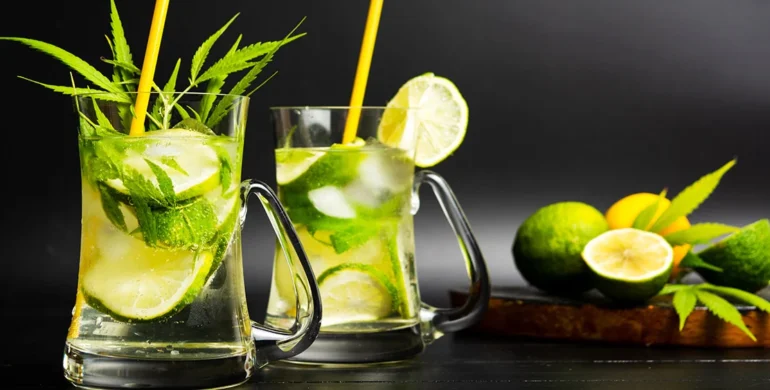
The Fizzy Frontier: Exploring the Rise of Delta 8 Soda
The beverage industry is no stranger to innovation, but few trends have sparked as much curiosity as Delta 8 soda. This cannabis-infused drink, blending the effervescence of soda with the mild psychoactive effects of Delta 8 THC, is carving out a unique niche in both recreational and wellness markets. As consumers increasingly seek alternatives to alcohol and traditional cannabis consumption methods, Delta 8 soda offers a refreshing, discreet, and legal way to unwind. But what exactly is this fizzy phenomenon, and why is it gaining traction? Let’s dive into the facts, figures, and allure of Delta 8 soda, exploring its science, appeal, and place in today’s beverage landscape.
A New Kind of Buzz: Understanding Delta 8 THC
Delta 8 tetrahydrocannabinol (Delta 8 THC) is a cannabinoid found in trace amounts in cannabis and hemp plants. Unlike its more famous cousin, Delta 9 THC—the primary psychoactive compound in marijuana—Delta 8 delivers a milder, clearer high, often described as less anxiety-inducing. This distinction makes it appealing to those who want the benefits of THC without the intense psychoactive effects. Derived from hemp, Delta 8 is synthesized through a chemical process that converts CBD into a concentrated form of the cannabinoid. The 2018 Farm Bill legalized hemp-derived products with less than 0.3% Delta 9 THC, creating a legal loophole that has fueled the rise of Delta 8 products, including sodas. According to Grand View Research, the cannabis-infused beverage market, including Delta 8 sodas, is projected to reach $2.8 billion by 2025, reflecting growing consumer demand for smokeless cannabis options.
The Allure of a Carbonated High
Delta 8 soda combines the familiar pleasure of a fizzy drink with the subtle euphoria of cannabis, creating a unique consumption experience. Unlike edibles, which can take up to two hours to produce effects, Delta 8 sodas typically kick in within 15 to 30 minutes, with peak effects occurring around one to two hours after consumption. The effects last between two and six hours, depending on dosage, body weight, and tolerance. Most Delta 8 sodas contain 10-25 mg of Delta 8 THC per can, offering a predictable, pre-dosed experience that appeals to both novice and seasoned users. Brands like Kickback, Binoid, and 3Chi offer flavors ranging from classic cola to exotic mango and strawberry, catering to diverse palates. This variety, coupled with the convenience of a ready-to-drink format, makes Delta 8 soda a socially acceptable alternative to alcohol, free from hangovers or calories.
Legal Limelight: Navigating the Gray Area
The legality of Delta 8 soda hinges on its hemp-derived origins, which place it under the 2018 Farm Bill’s umbrella. This federal legislation permits hemp products with minimal Delta 9 THC, making Delta 8 sodas legal in many U.S. states. However, the regulatory landscape is patchy. As of 2023, 15 states have banned Delta 8 outright, while others impose restrictions due to concerns over unregulated production and potential Delta 9 THC contamination. Independent testing has revealed that some Delta 8 products contain Delta 9 THC levels exceeding the legal 0.3% threshold, leading to legal battles in states like Texas and Georgia. Despite these challenges, the accessibility of Delta 8 sodas—available at vape shops, convenience stores, and online—has driven their popularity, particularly in regions where recreational cannabis remains illegal. Consumers can purchase a single can for $5 to $10, with multipacks offering better value.
Wellness in a Can: Potential Benefits
Beyond recreation, Delta 8 soda is gaining attention for its potential therapeutic benefits. Users report reduced stress, mild euphoria, and relief from chronic pain and inflammation, attributed to Delta 8’s interaction with the body’s endocannabinoid system, particularly CB1 receptors in the brain. Preliminary studies suggest Delta 8 may have anti-inflammatory and analgesic properties, making it a compelling option for those seeking natural remedies. Unlike alcohol, Delta 8 sodas offer relaxation without the risk of liver damage, and their zero-calorie, zero-sugar formulations appeal to health-conscious consumers. However, the FDA has not approved Delta 8 for medical use, and research on its long-term effects remains limited. Consumers are advised to start with a low dose—5 to 10 mg—and wait at least 30 minutes before consuming more to avoid over-intoxication.
Safety Concerns: A Cloudy Fizz
While Delta 8 soda offers a novel experience, it’s not without risks. The FDA has raised concerns about unregulated production, citing 104 adverse event reports between December 2020 and February 2022, with 55% requiring medical intervention. Common side effects include dizziness, anxiety, and hallucinations, particularly in high doses or among inexperienced users. Poison control centers reported 2,362 Delta 8 exposure cases in 2021 and early 2022, with 41% involving minors, highlighting the need for child-resistant packaging and age restrictions. The lack of FDA oversight means product quality varies, with some sodas containing harmful chemicals from the synthesis process. Reputable brands like Koi CBD and 3Chi emphasize third-party testing to ensure purity, but consumers must research vendors carefully to avoid substandard products.
Cultural Shift: From Bar to Beverage
Delta 8 soda is redefining social drinking, offering a buzz akin to a light cocktail without the societal stigma of cannabis use. Its discreet nature—no smoke, no odor—makes it ideal for social settings, from barbecues to beach outings. Social media platforms like Twitter have amplified its visibility, with #Delta8 tweets surging from 8.55 daily in 2020 to 149 in 2021, driven by retailer promotions. The beverage’s appeal spans demographics, from young adults seeking alternatives to alcohol to older consumers exploring wellness options. In states like Florida, where dispensaries and even liquor stores stock Delta 8 sodas, the drink is becoming a cultural staple. However, its psychoactive nature means it’s not for everyone—drug tests can detect Delta 8 metabolites for up to 30 days, posing risks for workplace screenings.
The Future of Delta 8 Soda
As the cannabis beverage market evolves, Delta 8 soda stands at a crossroads. Its growth is tied to consumer demand for innovative, smokeless cannabis products, but regulatory hurdles could temper its rise. If federal cannabis legalization occurs, Delta 8’s appeal may wane as consumers opt for Delta 9 products. Yet, for now, its milder effects and legal status make it a compelling choice. Brands are innovating with new flavors and formulations, and the market’s projected $2.8 billion valuation by 2025 suggests sustained interest. Public health researchers urge balanced marketing to counter retailer-driven hype, emphasizing education on dosing and safety. Whether a fleeting trend or a lasting staple, Delta 8 soda is undeniably reshaping how we think about cannabis and relaxation.
Sipping into Tomorrow
Delta 8 soda is more than a drink—it’s a cultural and scientific experiment, blending the joy of a fizzy beverage with the nuanced effects of cannabis. Its rise reflects a broader shift toward discreet, health-conscious consumption, offering a glimpse into the future of recreational and wellness products. For those curious to try, start low, sip slow, and choose trusted brands. As the industry navigates legal and safety challenges, Delta 8 soda remains a sparkling symbol of innovation, inviting us to rethink how we unwind, one bubbly sip at a time. Visit our website https://getblitzd.us/blogs/news/finding-your-fizz-where-to-buy-delta-8-soda-locally-and-why-its-worth-the-search to Buy Delta 8 Soda at Affordable Price.


