

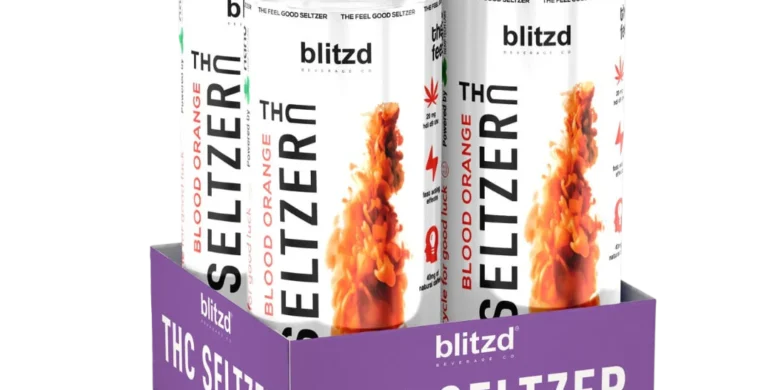
The Sparkling Surge of Caffeinated Seltzer: A Refreshing Revolution
In a world where coffee reigns supreme and energy drinks dominate convenience store shelves, a new contender has bubbled up to challenge the status quo: caffeinated seltzer. This fizzy fusion of sparkling water and a caffeine kick is rapidly gaining traction, offering a lighter, healthier alternative for those seeking hydration with a boost. With the global sparkling water market valued at $33.43 billion in 2020 and projected to reach $53.6 billion by 2028, caffeinated seltzer is carving out a significant niche. Let’s dive into the effervescent world of this beverage, exploring its origins, benefits, market trends, and why it’s becoming the go-to drink for health-conscious consumers.
A Brief History of Bubbly Beginnings
Caffeinated seltzer didn’t appear overnight. Its roots trace back to the broader sparkling water craze that began in the early 2010s, when consumers started gravitating toward low-calorie, sugar-free alternatives to sugary sodas. Brands like LaCroix and Perrier popularized flavored sparkling water, setting the stage for innovation. By the late 2010s, beverage companies saw an opportunity to merge the refreshing qualities of seltzer with the stimulating effects of caffeine. Brands like AHA, Phocus, and Perrier Energize led the charge, introducing products that combined carbonated water with modest doses of caffeine, typically sourced from natural ingredients like green tea extract or coffee beans. This marked the birth of a beverage that offered the best of both worlds: hydration and energy without the heaviness of traditional caffeinated drinks.
The Science Behind the Fizz
What makes caffeinated seltzer so appealing? It starts with its composition. At its core, it’s carbonated water infused with caffeine, often paired with natural flavors like citrus, berry, or tropical fruits. The caffeine content typically ranges from 30 to 75 milligrams per 12-ounce can, significantly less than the 95 milligrams in a standard cup of coffee or the 200 milligrams in some energy drinks. This moderate dose makes it an ideal choice for those who want a gentle pick-me-up without the jitters. A study in the Journal of Psychopharmacology found that even low doses of caffeine, as little as 30 milligrams, can enhance cognitive performance and mood, making caffeinated seltzer a practical tool for staying sharp during a busy day.
The carbonation itself adds a sensory dimension. The bubbles stimulate taste buds, creating a refreshing mouthfeel that enhances flavor perception. Unlike coffee or tea, which can act as diuretics due to higher caffeine levels, caffeinated seltzer’s lower caffeine content means it hydrates as effectively as regular water. This combination of hydration, flavor, and a mild energy boost positions it as a versatile beverage for various occasions, from morning meetings to afternoon workouts.
Health Benefits: A Guilt-Free Boost
One of the standout features of caffeinated seltzer is its nutritional profile. Most brands are zero-calorie or low-calorie, free of added sugars, artificial sweeteners, and preservatives. This makes them a compelling choice for those managing their weight or conditions like diabetes. For comparison, a 12-ounce can of soda contains around 140 calories and 40 grams of sugar, while caffeinated seltzer offers the same refreshing fizz without the caloric burden. Additionally, many brands fortify their seltzers with electrolytes or vitamins, enhancing their appeal to fitness enthusiasts and health-conscious consumers.
The absence of artificial ingredients also aligns with dietary trends like vegan, gluten-free, and keto-friendly lifestyles. Unlike energy drinks, which often contain taurine or synthetic additives, caffeinated seltzer relies on cleaner ingredients, appealing to millennials and Gen Z who prioritize transparency in food and beverage labeling. However, moderation is key. The FDA recommends a daily caffeine limit of 400 milligrams for most adults, and while caffeinated seltzer’s lower caffeine levels make it safer, overconsumption can still lead to side effects like insomnia or increased heart rate.
Environmental and Ethical Advantages
Caffeinated seltzer isn’t just good for your body—it’s kinder to the planet. Producing carbonated water requires less water and energy than coffee or soda, resulting in a lower carbon footprint. Many brands package their products in recyclable aluminum cans, further reducing environmental impact. Some companies, like Phocus, emphasize sustainable sourcing of caffeine from green tea, aligning with ethical consumer preferences. This eco-friendly profile resonates with a growing demographic that values sustainability, making caffeinated seltzer a beverage that feels as good to drink as it is to talk about.
Market Trends: Riding the Wave
The rise of caffeinated seltzer is no fluke—it’s backed by robust market growth. Industry analysts predict the sparkling water market will grow at a compound annual growth rate of 6.1% from 2021 to 2028, with caffeinated variants driving a significant portion of that expansion. This surge is fueled by a shift in consumer preferences toward functional beverages that offer health benefits without compromising enjoyment. Retailers, cafes, and fitness centers are increasingly stocking these products to meet demand, while white-label opportunities allow new brands to enter the market quickly.
In 2024, caffeinated seltzer sales were boosted by innovative marketing campaigns and social media buzz. Brands leverage platforms like Instagram and TikTok to showcase vibrant flavors and sleek packaging, appealing to younger audiences. The versatility of flavors—from classic lemon-lime to exotic blood orange-yuzu—ensures broad appeal. Posts on X highlight the drink’s popularity at social gatherings, with users praising its ability to replace sugary cocktails or heavy coffee drinks. This social media presence has helped caffeinated seltzer transition from a niche product to a mainstream staple.
The Competitive Landscape
Caffeinated seltzer faces stiff competition from traditional beverages like coffee, tea, and energy drinks, but it’s carving out a unique space. Coffee remains a cultural juggernaut, with 85% of Americans consuming at least one caffeinated beverage daily, primarily through coffee or tea. Yet, caffeinated seltzer offers a lighter alternative for those who find coffee too heavy or energy drinks too intense. Its portability and convenience also make it a rival to bottled iced teas and sodas, especially in on-the-go settings like offices or gyms.
The hard seltzer boom, with sales reaching $12.5 billion in 2024, has also influenced its non-alcoholic cousin. While hard seltzer contains alcohol (typically 4-6% ABV), caffeinated seltzer swaps the alcohol for caffeine, appealing to those seeking a non-alcoholic option with similar refreshing qualities. This crossover has blurred lines between beverage categories, creating a hybrid market where functionality and flavor reign supreme.
Challenges and Considerations
Despite its promise, caffeinated seltzer isn’t without challenges. Overconsumption remains a concern, as with any caffeinated product. Health experts warn that exceeding the FDA’s 400-milligram daily limit can lead to adverse effects, particularly for sensitive individuals. Additionally, the market’s rapid growth has led to saturation, with new brands flooding shelves. This makes it crucial for companies to differentiate through unique flavors, sustainable practices, or innovative marketing.
Regulatory hurdles also loom. While caffeinated seltzer is generally considered safe, the FDA closely monitors caffeine additives in beverages. Past controversies, like the 2010 ban on caffeinated alcoholic beverages, highlight the need for clear labeling and responsible marketing to avoid scrutiny.
The Future of Caffeinated Seltzer
As consumer preferences evolve, caffeinated seltzer is poised for continued growth. Its ability to combine hydration, flavor, and a mild energy boost makes it a versatile player in the beverage industry. Future innovations may include personalized caffeine levels or functional additives like adaptogens for stress relief. With its eco-friendly profile, health benefits, and vibrant market presence, caffeinated seltzer is more than a trend—it’s a sparkling revolution that’s here to stay. Whether you’re sipping it at a picnic or cracking open a can during a work break, this bubbly beverage offers a refreshing way to stay energized and hydrated. Visit our website https://getblitzd.us/blogs/news/the-buzz-on-caffeinated-seltzer-water-what-you-need-to-know to Buy Caffeinated Seltzer at Affordable Price.


