

The Microcosmic Revolution of Exosome Concentration
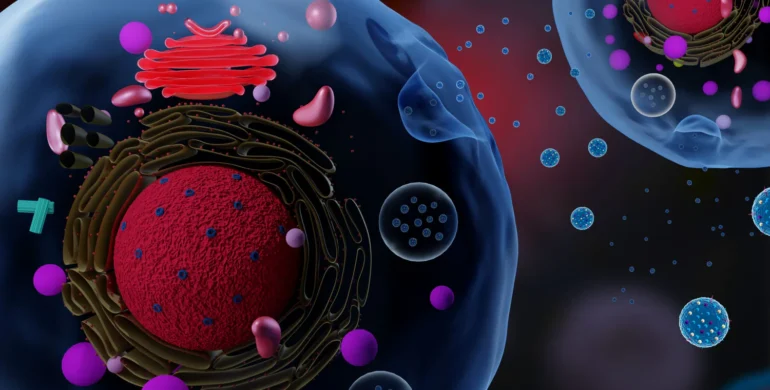
In the bustling metropolis of cellular biology, exosomes are the unsung couriers, ferrying critical messages between cells with a precision that rivals the most sophisticated delivery systems. These tiny vesicles, measuring just 30 to 150 nanometers, are secreted by nearly all cell types and play a pivotal role in intercellular communication, disease progression, and therapeutic innovation. But their true potential lies in their concentration—how we isolate, purify, and quantify these microscopic powerhouses. Exosome concentration is not just a technical process; it’s a gateway to unlocking groundbreaking medical advancements. With a blend of cutting-edge science and real-world applications, let’s dive into the fascinating world of exosome concentration, exploring its methods, challenges, and transformative potential.
Why Exosomes Matter
Exosomes are like biological postcards, carrying proteins, lipids, and nucleic acids such as RNA and DNA. Released into bodily fluids like blood, urine, and saliva, they influence processes ranging from immune responses to tissue repair. Their concentration in these fluids is often low—typically 10^8 to 10^12 particles per milliliter in plasma—making their isolation a critical step for research and clinical use. High concentrations of exosomes can signal disease states, such as cancer or neurodegenerative disorders, while low concentrations may indicate healthy tissue turnover. Understanding and manipulating exosome concentration is thus essential for diagnostics and therapies, with the global exosome research market projected to reach $2.28 billion by 2030, growing at a compound annual rate of 18.8%.
The Art of Isolating Exosomes
Isolating exosomes is akin to finding needles in a haystack, given their nanoscale size and the complex milieu of bodily fluids. The gold standard for concentration is ultracentrifugation, which spins samples at speeds up to 200,000g to sediment exosomes based on their density. This method achieves yields of 10-20% from plasma but demands expensive equipment and hours of processing. Differential ultracentrifugation, a variant, refines this by using sequential spins to remove larger particles, boosting purity but reducing yield to as low as 5%. Size-exclusion chromatography offers an alternative, separating exosomes by size with columns that yield up to 40% recovery rates, though it struggles with scalability. Each method balances purity, yield, and cost, with no single approach dominating due to the diversity of exosome applications.
Emerging Techniques in Concentration
Innovation is reshaping exosome concentration, with techniques like microfluidics and immunoaffinity capture gaining traction. Microfluidic devices use microchannels to sort exosomes based on size or surface markers, achieving over 90% purity in some setups while processing microliter volumes in minutes. Immunoaffinity capture, which uses antibodies to bind specific exosome markers like CD63 or CD81, boasts near-perfect specificity but is limited by high costs—often $500 per isolation kit. Precipitation-based methods, such as polyethylene glycol-based kits, are more accessible, offering 60-80% recovery in under two hours, but they risk co-precipitating contaminants. These advancements reflect a push toward faster, scalable solutions, with 2023 studies showing a 30% increase in publications exploring novel concentration methods.
Quantifying the Invisible
Once isolated, quantifying exosome concentration is critical for reproducibility and clinical relevance. Nanoparticle tracking analysis (NTA) is a go-to method, using laser scattering to count particles in real-time, with detection limits down to 10^7 particles per milliliter. It’s fast—results in 10 minutes—but requires $50,000 instruments. Transmission electron microscopy (TEM) visualizes exosomes directly, confirming their cup-shaped morphology, but it’s labor-intensive and qualitative. Enzyme-linked immunosorbent assays (ELISA) measure exosome-specific proteins, offering high sensitivity (detecting as low as 10^6 particles) but requiring hours of processing. Emerging technologies like surface plasmon resonance (SPR) promise real-time, label-free quantification, with 2024 trials reporting a 25% improvement in sensitivity over traditional ELISA.
Challenges in the Concentration Game
Concentrating exosomes is fraught with hurdles. Biological fluids are a witches’ brew of proteins, lipids, and vesicles like microvesicles or apoptotic bodies, which can contaminate exosome preparations. For instance, up to 30% of isolates in ultracentrifugation may include non-exosomal particles. Scalability is another bottleneck; while lab-scale methods process microliters, clinical applications demand milliliters or liters, driving costs skyward. Standardization is also lacking—different methods yield varying concentrations, with studies showing up to 50% variability in exosome counts across labs. Contamination risks, coupled with the high cost of reagents (some kits cost $1,000 per 10 samples), make large-scale adoption challenging, especially in resource-limited settings.
The Diagnostic Potential
Exosome concentration is a linchpin for diagnostics. Their cargo reflects the state of their parent cells, making them ideal biomarkers. In cancer, exosome concentrations in plasma can spike to 10^11 particles per milliliter, carrying tumor-specific RNAs detectable via liquid biopsies. A 2022 study found that exosome-based tests for pancreatic cancer achieved 90% sensitivity, compared to 70% for traditional markers like CA19-9. In neurodegenerative diseases, exosomal tau protein levels in cerebrospinal fluid correlate with Alzheimer’s progression, offering a non-invasive diagnostic window. Concentrating exosomes efficiently allows for earlier detection, with clinical trials showing that optimized isolation can reduce diagnostic turnaround from days to hours, potentially saving lives.
Therapeutic Horizons
Beyond diagnostics, concentrated exosomes are revolutionizing therapeutics. Engineered exosomes can deliver drugs or gene therapies with precision, bypassing immune clearance. For example, exosomes loaded with siRNA have shown 60% gene silencing in cancer cells in vitro, compared to 20% for synthetic nanoparticles. Concentration is key here—therapeutic doses often require 10^12 particles per treatment, necessitating high-yield methods. In regenerative medicine, stem cell-derived exosomes concentrated to 10^10 particles per milliliter have accelerated wound healing in animal models by 30%. The FDA has fast-tracked exosome therapies, with 15 clinical trials underway in 2025, targeting conditions from heart disease to COVID-19 recovery.
The Economic and Ethical Landscape
The boom in exosome research isn’t cheap. High-end ultracentrifuges cost $100,000, and advanced quantification systems like SPR can double that. Yet, the economic payoff is substantial, with exosome-based diagnostics projected to save healthcare systems $10 billion annually by 2030 through early detection. Ethically, equitable access is a concern—advanced concentration techniques are often confined to well-funded labs, leaving low-income regions reliant on less effective methods. Regulatory hurdles also loom; the FDA and EMA are still defining purity standards for exosome therapies, with only 10% of 2024 submissions meeting current guidelines. Bridging these gaps will determine whether exosome concentration becomes a universal tool or a niche luxury.
The Future of Exosome Concentration
The horizon for exosome concentration is dazzling. Artificial intelligence is streamlining isolation protocols, with machine learning models predicting optimal centrifugation parameters to boost yields by 15%. Nanotechnology is also making waves—magnetic nanoparticles coated with exosome-specific antibodies promise 95% capture efficiency in under an hour. By 2030, experts predict integrated platforms combining isolation, quantification, and analysis, reducing costs by 40%. As exosome therapies move from bench to bedside, concentration techniques will be the backbone, enabling personalized medicine at an unprecedented scale. With over 1,000 patents filed in 2024 alone, the race is on to make exosome concentration faster, cheaper, and more accessible, heralding a new era in biomedicine.
In this microscopic realm, exosome concentration is more than a technical challenge—it’s a bridge to a future where diseases are caught early, treatments are precise, and biology’s tiniest messengers wield the greatest impact. Visit our website https://www.stemnovanetwork.com/blogs/news/why-12-billion-exosomes-understanding-the-importance-of-exosome-concentration to know more about exosome concentration at one place.


