

Exosome Fusion: The Hidden Language of Cellular Communication
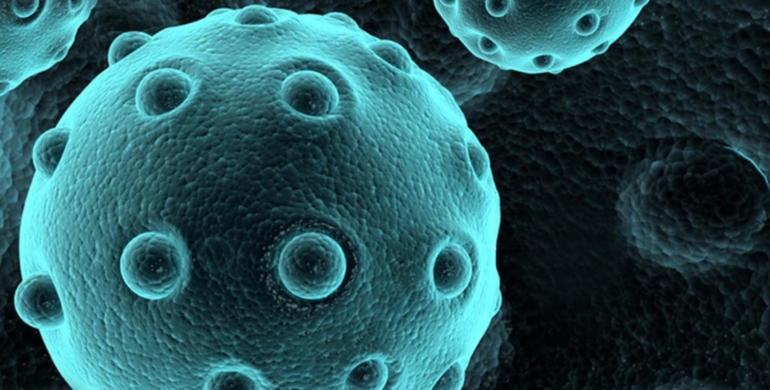
Exosome fusion is an intricate and fascinating process that lies at the heart of intercellular communication, enabling cells to share information, materials, and signals without direct contact. These nanosized vesicles—typically ranging from 30 to 150 nanometers in diameter—act like molecular messengers, transferring proteins, lipids, RNA, and other bioactive molecules between cells. Far from being random cellular debris, exosomes are now recognized as vital players in both health and disease, influencing processes from immune responses to cancer metastasis.
The Basics of Exosome Biology
Exosomes are formed inside cells through the endosomal pathway, specifically within multivesicular bodies (MVBs). Once mature, these vesicles fuse with the plasma membrane, releasing their cargo into the extracellular space. Fusion is not a one-way street—after release, exosomes can bind to target cells, either merging directly with the cell membrane or being internalized via endocytosis. This fusion event is what allows the exosome’s molecular payload to influence the recipient cell’s function.
What makes exosome fusion remarkable is its specificity. Much like how postal codes direct letters, surface proteins such as tetraspanins (CD9, CD63, CD81) and integrins help guide exosomes to the right destination. This precision targeting underpins their role as sophisticated communication tools within the body.
The Mechanism of Fusion
The process of exosome fusion involves a carefully orchestrated series of molecular events. Key players include:
- SNARE proteins (Soluble NSF Attachment Protein Receptors): These act as molecular zip codes, facilitating membrane docking and fusion between the exosome and target cell.
- Rab GTPases: Small GTP-binding proteins that regulate vesicle trafficking.
- Lipid rafts: Specialized membrane microdomains enriched with cholesterol and sphingolipids that stabilize docking sites.
Once the exosome reaches the target cell, the lipid bilayers merge, allowing the internal cargo—microRNAs, messenger RNAs, enzymes, and signaling molecules—to enter the recipient cell. This can trigger changes in gene expression, alter metabolic pathways, or activate immune responses.
Quantifying the Scale of Exosome Communication
The human body is a bustling network of exosome exchanges. It is estimated that a milliliter of blood contains billions of exosomes, with different tissues releasing them continuously. For instance:
- Tumor cells can secrete exosomes at rates up to ten times higher than normal cells, aiding in tumor progression.
- In the immune system, activated dendritic cells release exosomes that enhance T-cell activation.
- Neurons use exosomes to transmit signals across long distances, contributing to synaptic plasticity and even neurodegenerative processes.
Given their abundance and precision, exosomes are sometimes referred to as “the Twitter of the cellular world”—short, targeted messages that can have a big impact.
Roles in Health
In healthy physiology, exosome fusion plays roles that range from subtle regulation to large-scale systemic effects:
- Immune Regulation: Exosomes help coordinate immune responses by transferring antigenic material to immune cells, thus aiding pathogen recognition.
- Tissue Repair: After injury, stem cells release exosomes rich in growth factors that promote regeneration.
- Neural Communication: Brain cells use exosomes to exchange neurotransmitter-related molecules and synaptic proteins, maintaining cognitive function.
This versatility highlights exosomes as key components in maintaining homeostasis and adapting to physiological changes.
Roles in Disease
While exosomes are essential for healthy communication, their fusion mechanisms can also be hijacked in disease states:
- Cancer: Tumor-derived exosomes deliver pro-metastatic signals, prepare distant organs for metastasis (“pre-metastatic niche”), and even suppress immune responses.
- Neurodegenerative Disorders: In Alzheimer’s disease, exosomes can transport toxic proteins like beta-amyloid and tau between neurons, spreading pathology.
- Viral Infections: Certain viruses exploit exosome pathways to disguise themselves and evade immune detection, effectively “hitchhiking” in exosomal vesicles.
These pathological roles make exosome fusion a double-edged sword—vital for survival but potentially dangerous when misdirected.
Research Advances and Breakthrough Technologies
Over the last decade, advances in imaging and molecular biology have allowed scientists to visualize exosome fusion events in unprecedented detail. Cryo-electron microscopy and super-resolution microscopy have revealed how lipid bilayers merge, while single-particle tracking techniques quantify the speed and efficiency of fusion.
One striking finding is that fusion efficiency can vary by more than 50% depending on membrane composition, suggesting that subtle changes in lipid or protein makeup dramatically influence outcomes. Additionally, engineered exosomes—customized with specific targeting ligands—are now being tested for drug delivery, with early trials focusing on cancer and genetic disorders.
Therapeutic Potential
Harnessing exosome fusion for medical purposes has become a rapidly expanding field. Since exosomes are naturally biocompatible and capable of crossing biological barriers such as the blood-brain barrier, they offer unique advantages over synthetic drug carriers.
Potential applications include:
- Cancer Therapy: Delivering chemotherapy agents directly to tumor cells via targeted exosomes to minimize side effects.
- Gene Editing: Transporting CRISPR-Cas9 components into specific cells to correct genetic defects.
- Neurological Disorders: Carrying neuroprotective molecules into the brain for conditions like Parkinson’s or Alzheimer’s.
In 2022, clinical trials began testing mesenchymal stem cell-derived exosomes for their regenerative properties in heart disease, showing promising early results.
Challenges and Unknowns
Despite the promise, the field faces significant challenges:
- Standardization: There is no universally accepted method for isolating pure exosome populations, leading to variability in results.
- Targeting Accuracy: While exosomes have natural targeting tendencies, ensuring precise delivery in therapeutic contexts is still a work in progress.
- Safety Concerns: Because exosomes can influence gene expression, unintended effects are possible if they reach non-target tissues.
Furthermore, while billions of exosomes are exchanged daily in the human body, the full “dictionary” of their molecular messages remains incomplete. Understanding the language of exosome fusion in detail will be key to unlocking their full therapeutic potential.
Future Outlook
Looking ahead, the integration of nanotechnology, synthetic biology, and AI-driven bioinformatics is set to revolutionize our understanding and use of exosome fusion. Predictive models could help design exosomes with optimized fusion efficiency and safety profiles, while lab-on-a-chip devices may allow real-time monitoring of exosome exchanges in patients.
Some scientists envision a future where exosome-based therapies could replace certain pills and injections, offering personalized, side-effect-free treatments tailored to an individual’s molecular profile.
Final Thoughts
Exosome fusion is more than just a cellular quirk—it is a fundamental biological process with immense implications for health, disease, and medicine. From enabling immune cells to mount a defense, to helping tumors spread, to offering a potential vehicle for next-generation therapies, the story of exosome fusion is one of complexity, adaptability, and potential. As research deepens, we may soon learn to not only listen to these nanoscale conversations but also speak the language of the cell to influence outcomes in ways once thought impossible.
In essence, these tiny vesicles may hold the keys to some of the greatest challenges in medicine, transforming them from silent couriers into active allies in the pursuit of human health. Visit our website https://www.stemnovanetwork.com/blogs/news/unraveling-the-enigma-of-exosomes to Buy Exosome Fusion at Affordable Price.


