

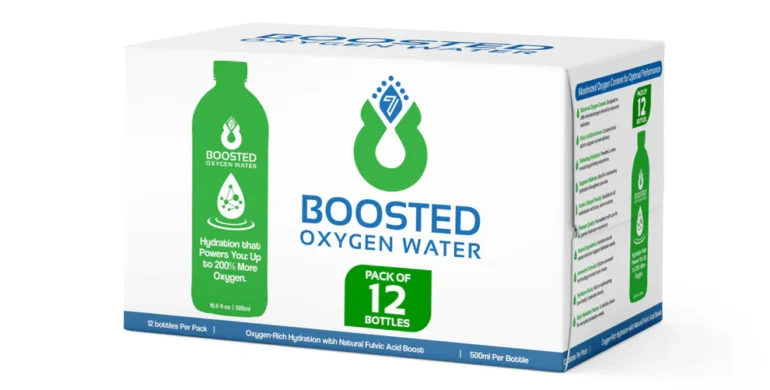
Exploring the Best Oxygen Water Bottle: Facts, Figures, and Fascination
Oxygen-infused water has sparked curiosity and debate, marketed as a health-boosting elixir that promises enhanced hydration and vitality. With claims of containing up to 35 times more oxygen than regular water, these bottles have carved a niche in the wellness industry. But what makes an oxygen water bottle stand out? Is the science behind it as compelling as the sleek designs and bold marketing? This 1000-word exploration dives into the world of oxygen water bottles, uncovering facts, figures, and fascinating details to help you choose the best one while critically examining the hype.
The Science Behind Oxygenated Water
All water contains some dissolved oxygen—about 25 mL per liter, enough for aquatic life like fish to thrive. Oxygen water bottles, however, claim to supercharge this by infusing water with significantly higher oxygen levels under pressure. The idea is that this extra oxygen can be absorbed through the stomach, potentially boosting energy, improving athletic performance, or enhancing overall wellness. However, scientific consensus, as noted by McGill University’s Office for Science and Society, suggests that the human gut doesn’t absorb oxygen effectively. Most of the infused oxygen escapes when the bottle is opened, leaving minimal benefits beyond regular hydration. Despite this, brands like OGO Oxygen Water have popularized the concept, emphasizing the allure of oxygen-rich hydration.
Market Trends and Consumer Appeal
The global bottled water market is booming, projected to reach $344 billion by 2028, with specialty waters like oxygen-infused varieties gaining traction. A 2007 post on 248am.com highlighted OGO’s early appeal in Kuwait, noting its unique bottle design resembling a “magic potion.” These bottles, often priced at around $0.50 per 330ml, are marketed as premium products, with some costing up to $13 for portable oxygen-enhanced options. Consumer appeal lies in the novelty and aesthetic—glass or creatively designed plastic bottles often double as stylish accessories. Yet, reviews on platforms like Reddit question the health claims, with users noting that the stomach’s inability to absorb oxygen undermines the marketed benefits.
Top Oxygen Water Bottle Brands
Several brands dominate the oxygen water market, each with distinct features. OGO Oxygen Water, one of the pioneers, boasts up to 35 times more oxygen than regular water, packaged in eye-catching spherical glass bottles. A 12-bottle box costs around $24, appealing to those seeking a premium hydration experience. Another contender, Oxygizer, uses alpine spring water and claims to enhance mental clarity, though scientific evidence remains sparse. Brands like Reign Water Company also offer oxygen-infused options, often marketed for environmental health monitoring, as oxygen levels in water can indicate ecosystem vitality. Each brand emphasizes purity and design, but the lack of robust clinical studies makes it hard to verify their claims.
Health Claims vs. Reality
Manufacturers often target athletes, suggesting oxygen water boosts performance by delivering extra oxygen to muscles. However, a 2021 study from McGill University found that the oxygen content in these bottles—typically 80 mL per liter under pressure—drops significantly upon opening, rendering it negligible for physiological benefits. The human body relies on lungs, not the digestive system, to absorb oxygen, consuming about 550 liters of pure oxygen daily through breathing. Drinking oxygen water adds a trivial amount in comparison. Still, some users report a placebo effect, feeling refreshed or energized, which may stem from the psychological appeal of a premium product.
Environmental Impact of Oxygen Water Bottles
The environmental footprint of oxygen water bottles is a critical consideration. Producing a single liter of bottled water requires 5.6 to 10.2 million joules of energy, and with half a trillion plastic bottles used annually, recycling rates lag behind. In Ontario, estimates suggest only 14% of plastic water bottles are recycled, per the Polaris Institute. Glass bottles, like those used by OGO, are more sustainable but heavier, increasing transportation emissions. Reusable oxygen water bottles, such as those from Reign, offer an eco-friendly alternative, encouraging refills with tap water. Choosing a reusable bottle can save up to $1,400 annually compared to buying single-use bottles, aligning with sustainability goals.
Design and Practicality
The aesthetic appeal of oxygen water bottles is undeniable. OGO’s glass bottles, with their potion-like charm, stand out on shelves but don’t fit standard car cupholders, as noted in consumer reviews. Plastic options, like those from Oxygizer, are lighter and more portable but less durable, often discarded once the plastic degrades. High-quality reusable bottles, such as stainless steel models from brands like Hydro Flask, can be adapted for oxygen water by using portable oxygen infusers, though these devices cost $100-$300. Practicality matters—bottles should balance style, durability, and functionality for daily use, whether at the gym or on a commute.
Cost and Value Proposition
Oxygen water bottles are often pricier than standard bottled water. A single 330ml OGO bottle costs about $2, while bulk purchases lower the price to $1 per bottle. In contrast, tap water costs roughly $2 for 1,000 gallons in the U.S., making oxygen water a luxury. For comparison, a reusable bottle paired with an oxygen infuser offers long-term savings, with initial costs offset after a few months. The value lies in the experience—consumers pay for the novelty, branding, and perceived health benefits, even if the science is shaky. Budget-conscious buyers may find better value in high-quality tap water or filtered systems.
Consumer Feedback and Experiences
User reviews reveal a mixed reception. On Reddit’s r/chemistry, some users noted a distinct flavor in oxygen water, possibly due to residual ozone from the infusion process, which can be off-putting. Others, like a 248am.com blogger, appreciated the bottle’s design over its health claims, using it as a decorative item. Kids, in particular, find the unique shapes appealing, encouraging hydration, as seen in a Gabriel Brothers review where bottles were refilled with well water. While some dismiss oxygen water as a “marketing scam,” others enjoy the novelty, suggesting its value lies more in aesthetics than efficacy.
Choosing the Best Oxygen Water Bottle
Selecting the best oxygen water bottle depends on your priorities. If aesthetics and brand prestige matter, OGO’s glass bottles offer a premium feel, though they’re less practical for daily use. For eco-conscious consumers, reusable stainless steel bottles paired with an oxygen infuser provide sustainability and cost savings. Those seeking portability might prefer Oxygizer’s lightweight plastic options, despite their environmental drawbacks. Always consider the science—oxygen water’s health benefits are unproven, so prioritize design, durability, and sustainability over exaggerated claims. A bottle that fits your lifestyle, whether for gym sessions or desk decor, is key.
The Future of Oxygen Water
As wellness trends evolve, oxygen water bottles may see innovations like advanced infusion technologies or biodegradable packaging. With water scarcity affecting half a billion people globally, as noted by Vedantu, sustainable production will be crucial. Brands may focus on integrating oxygen infusion with smart bottles that track hydration, appealing to tech-savvy consumers. For now, oxygen water remains a niche product, blending science, marketing, and style. Whether you’re drawn to its allure or skeptical of its claims, the best oxygen water bottle is one that balances personal values with practical use, making hydration both functional and fascinating. Visit our website https://boostedoxygenwater.com/products/boosted-oxygen-water-box-of-12-bottles to Buy the Best Oxygen Water Bottle at Affordable Price.


