

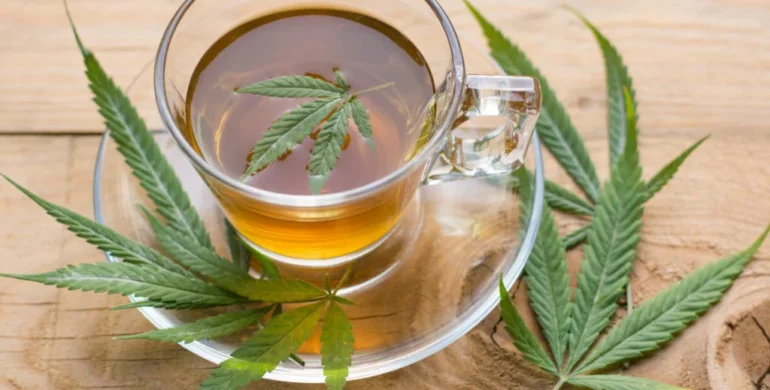
The Rise of THC-Infused Beverages: A Refreshing Revolution
The beverage industry is no stranger to innovation, but few trends have sparked as much curiosity as THC-infused drinks. These cannabis-derived concoctions are reshaping how people consume marijuana, offering a discreet, flavorful, and socially acceptable alternative to smoking or edibles. With legalization spreading across the globe, THC-infused beverages are carving out a significant niche in the market. This blog dives into the science, culture, and economics behind this fizzy phenomenon, backed by facts and figures that highlight its growing appeal.
A Sip of Science: Understanding THC in Liquid Form
Tetrahydrocannabinol (THC), the psychoactive compound in cannabis, is traditionally consumed through inhalation or digestion. However, beverages present a unique challenge: THC is fat-soluble, not water-soluble, making it tricky to incorporate into liquids. Enter nanoemulsion technology, a game-changer in the industry. This process breaks THC into tiny particles, allowing it to disperse evenly in water-based drinks. According to a 2023 study by the Journal of Cannabis Research, nanoemulsified THC has a bioavailability of up to 20%, compared to 6% for traditional edibles. This means faster onset times—often 15-30 minutes—making beverages a more predictable and controlled experience. The result? A consistent buzz without the guesswork, appealing to both novices and seasoned users.
Market Growth: Pouring Profits into the Cannabis Industry
The THC-infused beverage market is bubbling over with potential. A 2024 report by Grand View Research valued the global cannabis beverage market at $2.8 billion, with a projected compound annual growth rate of 17.8% through 2030. North America dominates, accounting for 60% of the market share, driven by legalization in states like California and Colorado. In Canada, where cannabis was legalized nationwide in 2018, beverages made up 12% of cannabis sales by 2023, per Statistics Canada. The appeal lies in accessibility: drinks don’t require specialized equipment like vapes or bongs, and they’re easier to dose than edibles. From sparkling waters to mocktails, brands are tapping into consumer demand for low-calorie, gluten-free, and vegan options, broadening the demographic reach.
Cultural Shift: Redefining Social Consumption
THC-infused beverages are rewriting the rules of social cannabis use. Unlike the stigma often associated with smoking, sipping a cannabis seltzer at a barbecue feels as natural as cracking open a beer. This shift aligns with changing consumer habits: a 2022 survey by BDS Analytics found that 46% of cannabis users prefer beverages for social settings, citing discretion and convenience. Millennials and Gen Z, who prioritize wellness and moderation, are driving this trend. Many THC drinks contain 2-10 milligrams of THC per serving, offering a mild, manageable high compared to alcohol’s often unpredictable effects. As bars and restaurants in legal markets begin serving cannabis cocktails, the line between happy hour and “high hour” is blurring, fostering a new era of inclusive socializing.
Health and Wellness: A Sober Alternative?
One of the most compelling aspects of THC-infused beverages is their positioning as a healthier alternative to alcohol. With no hangovers, fewer calories, and no liver toxicity, these drinks appeal to the “sober-curious” movement. A 2023 Harris Poll revealed that 37% of Americans aged 21-35 reduced alcohol consumption, with 25% citing cannabis beverages as a substitute. THC also offers potential therapeutic benefits, such as anxiety reduction and pain relief, though research remains limited. However, it’s not all rosy: the National Institute on Drug Abuse warns that overconsumption can lead to dizziness or paranoia, especially for inexperienced users. Precise dosing and clear labeling are critical, as the Beverage Trade Network reported in 2024 that 15% of cannabis beverage consumers experienced unexpected effects due to unclear potency information.
Flavor Innovation: Crafting the Perfect Sip
Taste matters, and THC beverage makers are stepping up their game. Early cannabis drinks were criticized for their earthy, hemp-like aftertaste, but advancements in flavor masking have changed the landscape. Brands now offer everything from tropical mango spritzers to lavender-lemon tonics, using natural terpenes to enhance aroma and taste. A 2024 consumer report by Brightfield Group showed that 68% of THC beverage buyers prioritize flavor over potency, with fruit-forward profiles leading the pack. Some companies even collaborate with mixologists to create sophisticated blends, like THC-infused cold brews or kombuchas. This focus on craftsmanship elevates the drinking experience, making it as much about enjoyment as intoxication.
Regulatory Challenges: Navigating a Cloudy Landscape
Despite their popularity, THC-infused beverages face a complex web of regulations. In the U.S., federal prohibition of cannabis creates a patchwork of state laws, with some states capping THC at 5 milligrams per serving while others allow up to 100 milligrams per package. Packaging must often be child-resistant and include warning labels, increasing production costs. In Europe, where CBD beverages are more common, THC drinks remain largely illegal, though markets like Germany are exploring legalization. A 2023 Deloitte report noted that regulatory uncertainty deters 30% of potential investors in the cannabis beverage sector. Yet, as public opinion shifts—66% of Americans support legalization, per a 2024 Gallup poll—the industry remains optimistic about future growth.
Environmental Impact: Sipping Sustainably
Sustainability is a growing concern, and THC beverage brands are responding. Cannabis cultivation is resource-intensive, requiring significant water and energy. However, some companies are adopting eco-friendly practices, like using recycled aluminum cans or sourcing organic ingredients. A 2024 study by the Cannabis Sustainability Initiative found that beverage producers reduced their carbon footprint by 22% compared to traditional cannabis products, thanks to lighter packaging and efficient distribution. Consumers are taking notice: 53% of THC beverage buyers prefer brands with sustainable practices, according to a 2023 New Frontier Data survey. As the industry matures, expect more focus on green initiatives to align with eco-conscious values.
The Future: What’s Next for THC Beverages?
The THC-infused beverage market is poised for explosive growth, but its trajectory depends on innovation and acceptance. Advances in microdosing technology could lead to drinks with ultra-low THC levels, appealing to cautious consumers. Cross-industry partnerships, like those between cannabis brands and mainstream beverage giants, are already emerging—Molson Coors and Hexo Corp’s 2018 joint venture is a prime example. Meanwhile, experiential marketing, such as cannabis-infused pop-up bars, is building buzz. By 2030, analysts predict the market could reach $8.3 billion, driven by evolving tastes and loosening regulations. Whether you’re a curious newcomer or a cannabis connoisseur, one thing’s clear: THC beverages are here to stay, offering a refreshing twist on relaxation. Visit our website https://getblitzd.us/blogs/news/a-guide-to-marijuana-drinks-types-effects-and-where-to-find-them to Buy THC Infused Beverage at Affordable Price.


