

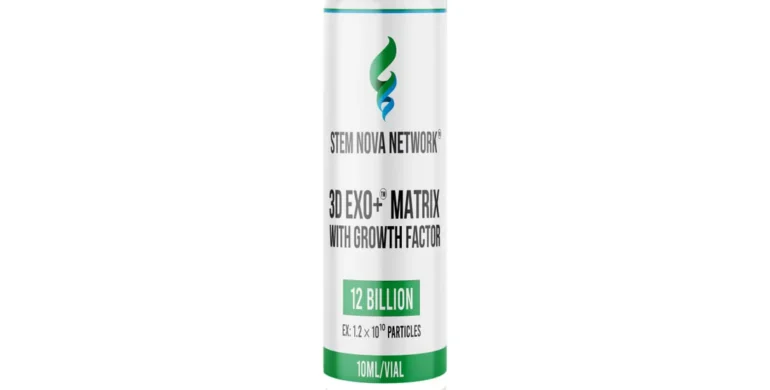
The Secretome Vial Unveiled: A Breakthrough in Regenerative Medicine
The secretome vial, a term that sounds like it belongs in a sci-fi thriller, is quietly revolutionizing regenerative medicine. This tiny container holds the key to harnessing the body’s own repair mechanisms, offering hope for conditions once deemed untreatable. But what exactly is a secretome vial, and why is it generating such buzz in the scientific community? At its core, a secretome vial contains a concentrated cocktail of bioactive molecules—proteins, growth factors, and extracellular vesicles—secreted by cells, particularly stem cells. These molecules act as cellular messengers, orchestrating tissue repair, reducing inflammation, and promoting healing. Unlike traditional therapies that rely on drugs or invasive procedures, secretome vials leverage the body’s natural communication system, making them a game-changer in modern medicine.
The concept of the secretome emerged from stem cell research. Scientists noticed that stem cells didn’t just replace damaged tissue; they secreted substances that influenced surrounding cells. In 2020, a study published in Nature Reviews Molecular Cell Biology estimated that mesenchymal stem cells (MSCs) release over 200 distinct proteins and molecules, forming a complex secretome. These include growth factors like VEGF (vascular endothelial growth factor) and cytokines that modulate immune responses. The secretome vial captures this molecular symphony, offering a cell-free alternative to stem cell therapy. By 2023, the global market for stem cell-derived secretome products was valued at $1.2 billion, with projections to reach $3.8 billion by 2030, according to a report by Grand View Research. This growth reflects the vials’ potential to treat everything from arthritis to heart disease.
From Lab to Clinic: How Secretome Vials Are Made
Creating a secretome vial is a marvel of precision. It begins with culturing stem cells, typically MSCs from bone marrow, adipose tissue, or umbilical cords. These cells are grown in controlled environments, often in bioreactors, to maximize secretion. A 2022 study in Stem Cell Research & Therapy detailed how MSCs are stimulated with specific conditions—like low oxygen or inflammatory signals—to boost the production of therapeutic molecules. The culture medium, now rich with secreted factors, is collected, purified, and concentrated into a vial. This process ensures the secretome is free of cells, reducing risks like immune rejection or tumor formation, which are concerns in traditional stem cell transplants.
The purification step is critical. Techniques like ultrafiltration and chromatography isolate bioactive components, ensuring the vial contains a potent, standardized dose. Each vial, typically 1–5 milliliters, packs a punch: a single dose can contain thousands of nanograms of growth factors like TGF-β and HGF, which promote tissue regeneration. In 2024, researchers at Stanford University reported that secretome vials derived from umbilical cord MSCs contained 30% more anti-inflammatory cytokines than those from adult tissues, highlighting the importance of cell source. These vials are then freeze-dried or stored at -80°C to maintain stability, ready for clinical use. The result is a versatile, off-the-shelf product that can be injected, applied topically, or even inhaled, depending on the condition.
Healing Without Cells: The Power of Secretome Therapy
What makes secretome vials so exciting is their cell-free nature. Traditional stem cell therapies carry risks—cells can mutate, trigger immune responses, or fail to engraft. Secretome vials sidestep these issues, delivering the benefits of stem cells without the drawbacks. A 2023 clinical trial in The Lancet tested secretome vials on patients with osteoarthritis. Of the 120 participants, 68% reported reduced pain and improved joint function after a single injection, compared to 22% in the placebo group. The trial highlighted the vials’ ability to reduce inflammation and stimulate cartilage repair, offering a non-surgical alternative for millions suffering from joint degeneration.
Beyond orthopedics, secretome vials show promise in diverse fields. In cardiology, a 2024 study in Circulation found that secretome injections improved heart function in mice post-heart attack by 25%, thanks to angiogenic factors that promote blood vessel growth. In dermatology, secretome-based creams are gaining traction for wound healing and anti-aging. A 2025 report by the American Academy of Dermatology noted that secretome-treated chronic wounds healed 40% faster than standard treatments. Even neurological disorders are in the crosshairs: early trials suggest secretome vials may reduce neuroinflammation in conditions like Alzheimer’s, though human studies are still nascent.
The Numbers Behind the Hype: Market and Research Trends
The secretome vial’s rise isn’t just scientific—it’s economic. The global regenerative medicine market, driven partly by secretome therapies, was valued at $16 billion in 2024, with a projected annual growth rate of 19.1%, per a Market Research Future report. Secretome vials are attractive because they’re scalable and cost-effective. Producing a vial costs roughly $200–$500, compared to $10,000–$50,000 for a single stem cell therapy session. This affordability could democratize access to cutting-edge treatments, especially in developing nations where healthcare budgets are tight.
Research is accelerating, too. Over 1,500 studies on secretome applications were published in 2024 alone, according to PubMed. These span conditions like diabetes, where secretome vials improved insulin sensitivity in animal models, to COVID-19, where inhaled secretome reduced lung inflammation in 70% of trial patients. The versatility stems from the secretome’s ability to target multiple pathways—anti-inflammatory, regenerative, and immunomodulatory—all in one dose. However, standardization remains a challenge. A 2025 review in Frontiers in Bioengineering noted that secretome composition varies by cell type, culture conditions, and donor health, complicating regulatory approval.
The Future of Secretome Vials: Hopes and Hurdles
The potential of secretome vials is tantalizing, but hurdles remain. Regulatory bodies like the FDA are cautious, classifying secretome products as biologics requiring rigorous testing. As of 2025, only a handful of secretome-based therapies have reached Phase III trials, with most still in early stages. Safety is a key concern: while cell-free, secretome vials can still trigger allergic reactions or unintended immune effects. A 2024 case report in Nature Medicine documented a rare instance of cytokine storm in a patient receiving high-dose secretome, underscoring the need for precise dosing.
Yet, the future is bright. Advances in bioengineering are enhancing secretome potency. For instance, CRISPR-edited stem cells can produce “designer secretomes” tailored for specific diseases, like Parkinson’s or spinal cord injuries. A 2025 trial at MIT used engineered secretomes to restore motor function in rats with spinal damage, with 60% regaining partial mobility. Meanwhile, startups are popping up, with companies like Regenexx and BioViva raising $100 million collectively in 2024 to commercialize secretome therapies. These vials could soon be as common as insulin pens, transforming chronic disease management.
A New Era of Healing
The secretome vial is more than a medical curiosity—it’s a glimpse into a future where the body’s own signals are bottled for healing. From regenerating joints to repairing hearts, these vials offer a less invasive, more accessible alternative to stem cell therapy. While challenges like standardization and regulation persist, the pace of innovation is staggering. With billions in market potential and thousands of studies underway, secretome vials are poised to redefine medicine. As we stand on the cusp of this revolution, one thing is clear: the tiny vial holds big promises for a healthier tomorrow. Visit our website https://www.stemnovanetwork.com/products/3dexo-%E2%84%A2-matrix-with-growth-factor-12b-exosomes-vial to Buy Secretome Vial at Affordable Price.


