

Umbilical Cord Tissue: A Lifeline Beyond Birth
The umbilical cord is one of nature’s most remarkable biological connections — a lifeline between mother and child. While many people know it as the cord that delivers nutrients and oxygen to a developing fetus, fewer are aware of the valuable role umbilical cord tissue can play long after birth. Packed with life-sustaining cells, this tissue is a focus of cutting-edge medical research, with potential applications in regenerative medicine, immune therapies, and more. Let’s explore the fascinating details, backed by facts and figures, of this often-overlooked biological treasure.
What Is Umbilical Cord Tissue?
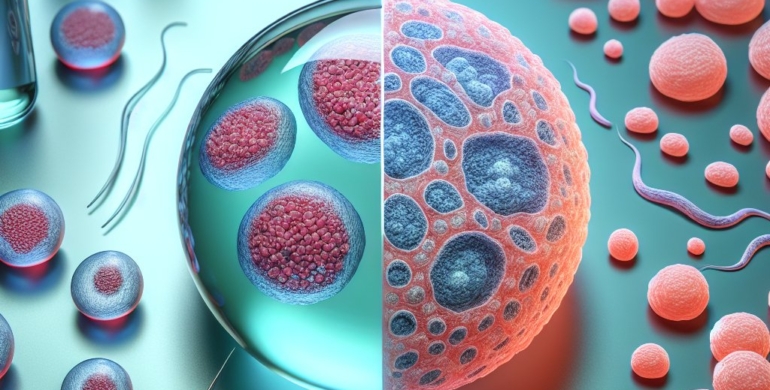
Umbilical cord tissue refers specifically to the segment of the cord itself, excluding the blood it carries. This gelatinous, white structure contains a substance called Wharton’s jelly, along with connective tissue, blood vessels, and a rich supply of mesenchymal stem cells (MSCs). These cells are highly valued in medicine because of their ability to develop into various types of tissue, including bone, cartilage, and muscle.
Unlike cord blood — which is primarily valued for hematopoietic stem cells (used in blood-related disorders) — cord tissue provides a source of regenerative cells that target structural and inflammatory conditions.
Unique Biological Composition
One of the most striking features of umbilical cord tissue is its dense concentration of mesenchymal stem cells. In fact, research shows that MSCs from cord tissue are more abundant and proliferate more rapidly than those derived from adult bone marrow. This means scientists can generate more therapeutic material from a single cord than from many adult cell harvests.
The tissue is also rich in collagen, proteoglycans, and glycosaminoglycans — molecules that give Wharton’s jelly its cushioning properties. This jelly-like matrix not only protects the cord’s blood vessels during pregnancy but also provides an ideal microenvironment for the stem cells, keeping them in a naturally preserved state until they are harvested.
Why It’s a Medical Game Changer
The regenerative potential of umbilical cord tissue is immense. Mesenchymal stem cells from this source have several unique advantages:
- Low immunogenicity: They are less likely to trigger immune rejection when transplanted into unrelated individuals.
- Anti-inflammatory properties: They can modulate immune responses, making them useful in autoimmune disorders.
- Multi-lineage differentiation: They can become different types of tissue, enabling broad applications in regenerative medicine.
In clinical studies, MSCs from cord tissue have shown promise in treating conditions ranging from cartilage injuries to multiple sclerosis, type 1 diabetes, and spinal cord injuries.
The Numbers Behind Cord Tissue Banking
Cord tissue banking is the process of collecting and preserving this valuable material right after birth. The figures in this industry are impressive:
- As of recent estimates, over 5 million families worldwide have banked their child’s cord blood or tissue.
- The global cord blood and tissue banking market was valued at over $4 billion and is projected to grow significantly, driven by advancements in stem cell therapies.
- Studies indicate that 1 in 3 people may benefit from regenerative medicine treatments in their lifetime, increasing the importance of having access to preserved stem cells.
Parents who choose to bank both cord blood and tissue give their child a double advantage — hematopoietic stem cells for blood diseases and mesenchymal stem cells for regenerative therapies.
Current and Emerging Medical Applications
Although many therapies are still in clinical trial stages, the breadth of potential uses is astonishing:
- Orthopedic Repair: Cord tissue-derived MSCs can help regenerate cartilage and bone, offering hope for osteoarthritis patients.
- Wound Healing: Their ability to stimulate tissue repair has made them a candidate for treating chronic ulcers and burns.
- Neurological Disorders: Early research suggests benefits in conditions like cerebral palsy and Parkinson’s disease.
- Cardiac Repair: MSCs can aid in repairing heart tissue after a myocardial infarction (heart attack).
- Autoimmune Diseases: By modulating immune function, cord tissue cells may help manage diseases like lupus or Crohn’s disease.
How Cord Tissue Is Collected and Stored
Collection is straightforward and painless for both mother and baby. After delivery and once the cord is clamped and cut, a segment of the cord — usually around 15–20 centimeters — is collected in a sterile container. This sample is then transported to a processing facility, where it is cleaned, treated, and cryogenically frozen at temperatures around –196°C.
Cryopreservation technology ensures that these cells can remain viable for decades. Laboratory tests on frozen stem cells have shown that, even after 20+ years in storage, they retain their growth and differentiation potential.
Ethical and Safety Considerations
Umbilical cord tissue collection raises fewer ethical concerns compared to embryonic stem cell harvesting because it involves post-birth tissue that would otherwise be discarded. Additionally, regulatory bodies impose strict safety protocols to prevent contamination and ensure cell quality.
Public health organizations, however, emphasize the need for proper informed consent and standardized procedures to maximize the value and safety of stored tissue.
Global Research and Breakthroughs
Globally, clinical trials using cord tissue-derived MSCs are on the rise. For instance:
- Trials in the United States and China have tested MSCs for treating COVID-19-related lung damage, showing encouraging recovery rates in severe cases.
- In Europe, research teams have explored using cord tissue cells in reconstructive surgeries, reducing healing time significantly.
- Japan has invested heavily in regenerative medicine, with cord tissue MSCs being tested for degenerative eye diseases like macular degeneration.
The World Health Organization has acknowledged the potential of perinatal stem cell sources as part of the future of personalized medicine.
Public vs. Private Banking Debate
Families today face the choice of private banking, where cells are stored for personal use, or public donation, where the cells go into a registry accessible to patients worldwide. Private banking guarantees personal access but comes with storage fees, while public banking increases the donor pool for those in urgent need of transplants.
Interestingly, surveys show that while over 80% of expectant parents are aware of cord blood banking, far fewer know that cord tissue banking is even an option — a gap that education and outreach aim to close.
The Future Outlook
Looking ahead, the role of umbilical cord tissue in medicine is expected to expand dramatically. Advances in cell expansion techniques, genetic engineering, and tissue scaffolding will likely unlock new therapies that we can barely imagine today.
For example, researchers are exploring 3D bioprinting using MSCs from cord tissue to create personalized cartilage implants. Others are combining these cells with nanotechnology to deliver targeted drug therapies directly to damaged tissues.
Given that the human body’s ability to heal itself declines with age, having a young, potent source of regenerative cells stored away could become one of the most valuable health assets in the future.
Conclusion
Umbilical cord tissue is far more than just a leftover from birth — it’s a living archive of regenerative potential. Rich in mesenchymal stem cells, easy to collect, and capable of treating a growing list of medical conditions, it represents one of the most exciting frontiers in modern medicine. As awareness and technology advance, the decision to preserve this resource may one day be as commonplace as vaccinations, offering families a lifeline not just at the start of life, but across its many decades. Visit our website https://stemnovanetwork.com/ to know more about Umbilical Cord Tissue at one place.


